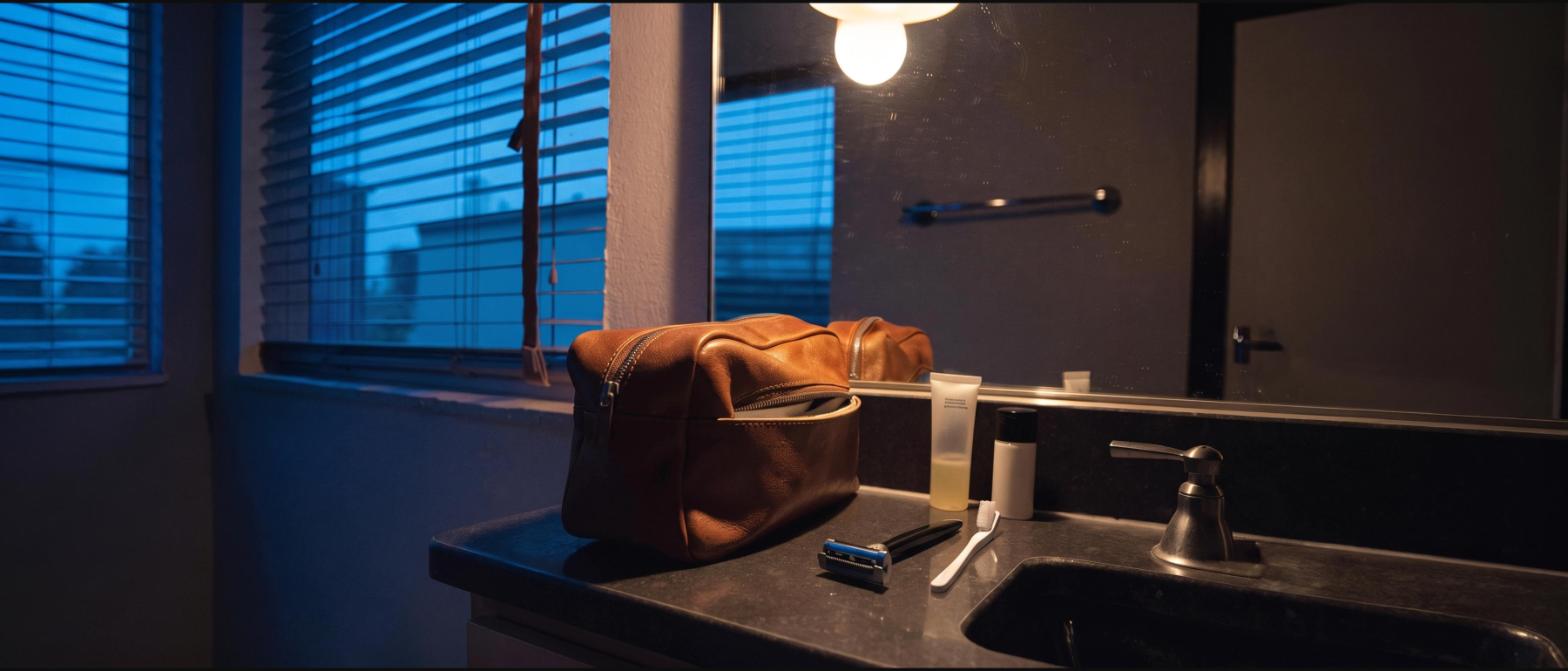
Balloon flying runs on a schedule most people never experience. Launch windows sit in the first couple of hours after sunrise, when the air is calm and stable, which means the pilot briefing happens in the dark and you are expected to be awake, dressed and useful before most of the town has an alarm set.
If you have ever done this at a festival, you know the real problem is not the early start. It is doing it for nine consecutive mornings in a motel forty minutes from the launch field.
Why the Dark Changes What You Pack
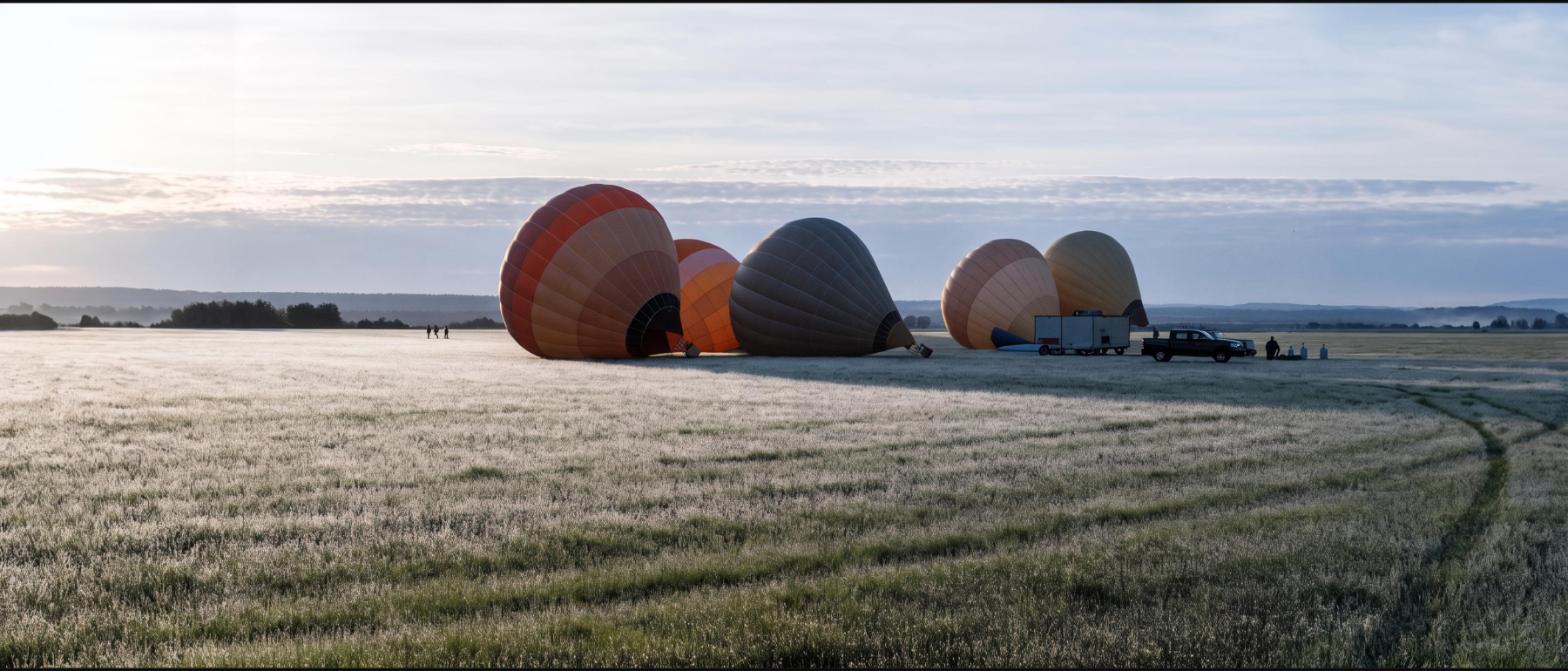
At 3:40 in the morning, in a bathroom you do not know, with someone else still asleep in the room, the thing that matters is that you can find everything without turning on the main light and without unzipping four separate pouches.
That argues for one bag, opening wide, holding its own shape. A structured leather kit stands up on a narrow counter instead of slumping and spilling the way a soft nylon pouch does. It is a small thing that stops mattering only if you have never been the person fumbling for a contact lens case at quarter to four.

Watch: How To Pack Your Dopp Kit — Men’s Travel Grooming Essentials (YouTube)
It Lives in the Vehicle, Not the Room
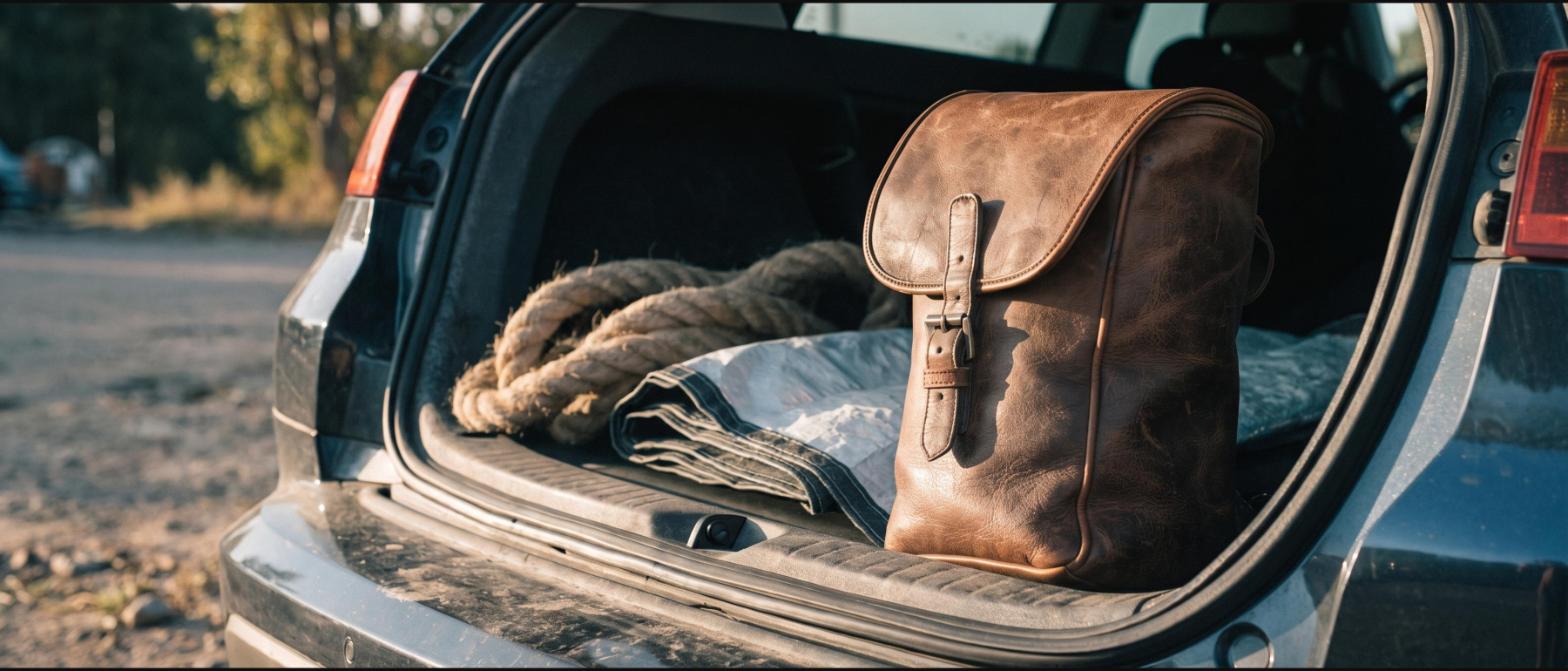
This is the part a general packing guide misses. Crew gear does not get unpacked and repacked each night — it sits in the chase vehicle with the rope, the tarps and the fan, and gets thrown around every time you drive across a field.
That is where the material choice earns itself. Full-grain leather scuffs and keeps going; the scuffs are arguably an improvement. Lighter nylon kits abrade at the seams and the zips grit up with field dust. If you are choosing between options, the weight and construction differences across a range of mens leather toiletry kit styles matter more than the colour — look for a full-length zip, a sewn-in base, and a lining you can actually wipe out.
The Honest Caveats
Leather and water are not friends, and balloon mornings are wet. Dew on a launch field will soak anything sitting in the grass, and untreated veg-tan will darken and stiffen if you let it sit damp. Two habits fix it: keep liquids in a small sealed pouch inside the kit rather than loose, and let the bag dry at room temperature rather than on a heater, which is what actually cracks it.
It is also heavier than nylon and costs several times as much. If you fly twice a year, that is hard to justify. If you crew a nine-day event and the bag lives in a truck bed, it is the cheaper option within about three seasons.
Pack it the night before. At 3:40 AM you will not be making good decisions.
 Have you ever seen a hot air balloon soaring high above the ground? It is, for most people, a truly beautiful sight to see. Hot air balloons typically have bold, beautiful, and brightly colored fabric which reflects the sun’s light in a burst of color. Perhaps you have gone up in a hot air balloon? This can also be something enjoyable since it allows you to have a bird’s eye view of the world around you while gently floating along. Either way, hot air balloons are truly enjoyable and exciting.
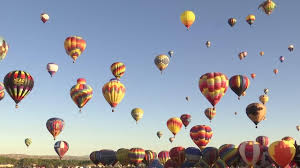 Hot air balloons have a history that can be dated back more than 200 years ago. At this time, way back in the 1783, a French scientist Jean-Francois Pilâtre de Rozier launched the very first hot air balloon. It was carrying only a duck, a sheep, and a cockerel. Later that same year, he became the first human to take a ride. The balloon was created from paper lined cloth.
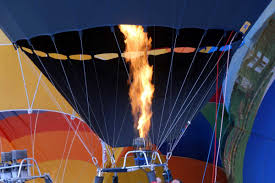 Hot air balloons, are a scientific marvel. It is pretty common knowledge that hot air rises and cool air sinks. Balloons use this concept to get airborne. This is done through using a burner that is positioned under an open “balloon envelope”. The burner is lit, air is heated, and it rises up into the balloon ensuring that the heat in the balloon is always hotter than the outside air. In short, when the balloon is hot inside, it soars into the sky. As it cools, the balloon will sink. A pilot can choose to let it cool and eventually land or he can reheat it so that it continues to float.